
Skip to content
Course outline and product knowledge map

Course Topics

This page breaks the training into modules you can practice and reuse in real conversations. The goal is not to memorize slogans, but to build a reliable consulting routine that stays accurate, transparent, and customer-friendly across appliance and smart home categories.

Modules
8 structured learning blocks
Practice
Scenarios + checklists
Approach
Brand-neutral explanations
electronics training session with laptops and instructor explaining sales presentation skills
Practice how to present features with clarity and confidence.
home appliances showroom area with refrigerators washing machines and product tags
Learn category basics that make comparisons easier.

Module Overview

Each module includes concise explanations, examples of phrasing for real customer conversations, and practice prompts. You will learn to identify customer intent, recommend products responsibly, and set accurate expectations about installation, compatibility, and everyday use. The content is designed for a consistent experience across visits and traffic sources, including users arriving from ads.

1) Needs Discovery and Rapport

Learn a simple question path that uncovers constraints, use-case, budget comfort, and timing without assumptions. You practice listening cues and summarizing needs in one sentence.

  • Open-ended questions that reduce mis-selling
  • Constraint checks for space, power, and installation

2) Sales Conversation Structure

Build a repeatable flow: greet, clarify, shortlist, present, confirm, and next steps. You learn how to keep the conversation moving while staying transparent about trade-offs.

  • Ethical upsell and cross-sell principles
  • Simple close options without pressure tactics

3) Translating Features into Benefits

Learn how to describe specs as outcomes the customer can picture. You practice a neutral phrasing pattern that avoids exaggerated claims and keeps expectations realistic.

  • Short comparisons that stay accurate
  • Explaining limitations clearly and respectfully

4) Handling Questions and Objections

Practice answering common questions about durability, energy use, noise, connectivity, and warranties. You learn how to validate concerns and offer options without guessing.

  • De-escalation phrases for tense moments
  • When to pause and verify product details

Product Knowledge Tracks

Product knowledge is taught as a consulting tool. You learn what customers typically care about first, which specs change the experience, and which details are best explained only when relevant. The aim is to give accurate guidance without overwhelming customers or relying on brand-specific language.

smart home devices on a desk with tablet and sensors used for product consulting training
Compatibility-first explanations for smart home categories.

Large Appliances

Refrigerators, washing machines, dishwashers, ovens, and cooktops. Learn sizing checks, efficiency considerations, noise expectations, and installation readiness.

Small Appliances

Vacuums, coffee machines, microwaves, air purifiers, and kitchen tools. Focus on use-cases, maintenance, consumables, and realistic performance factors.

Home Computing

Laptops and peripherals for everyday home needs. Learn how to ask about tasks, explain performance trade-offs, and set expectations about storage and longevity.

Smart Home

Hubs, sensors, lighting, and connected appliances. Focus on compatibility, network requirements, privacy basics, and explaining setup steps clearly.

Presentation skills you will practice

You practice a three-part presentation pattern: confirm the need, present the feature in simple terms, and connect it to the customer outcome. This keeps the conversation grounded and helps avoid overpromising. The same pattern can be used on the store floor, in chat, or during a video call.

  • One-minute product explanations
  • Clear trade-offs and honest constraints
  • Confirming next steps without pressure

Practice Scenarios

Scenarios help you move from theory to confident consulting. You learn how to keep your language simple, verify constraints, and recommend a shortlist instead of a single choice. Each scenario includes suggested questions, a short comparison method, and a close that offers next steps such as delivery planning or compatibility checks.

Replacing a washing machine

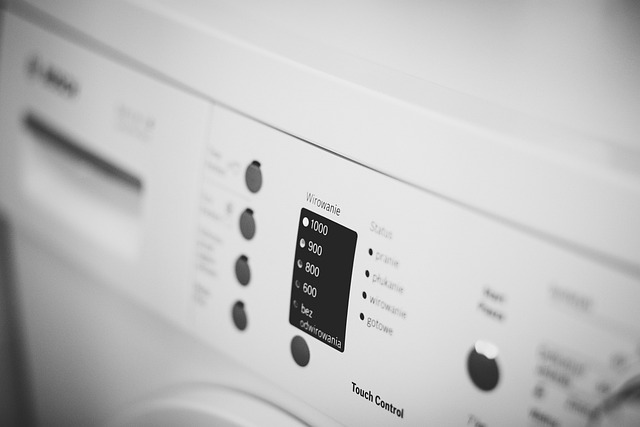
Focus on capacity needs, spin performance expectations, noise tolerance, and installation space. You practice explaining why two similar models can feel different in daily use.

Choosing a laptop for home tasks

Learn to translate “fast” into concrete tasks: browsing, video calls, schoolwork, or creative projects. You practice setting storage expectations and explaining upgrade paths.

Starting a smart home setup

Focus on compatibility, network readiness, and realistic setup steps. You practice explaining privacy basics and how to avoid buying devices that cannot work together.

electronics consultant demonstrating appliance features to customers in a showroom without brand logos
Scenario practice improves clarity under real time pressure.

Next step

If you are ready to begin, register an account. Registration uses only your name, email, and password. You can review privacy and cookie information before making your choices.

Reminder: Educational Scope

The course is educational and focuses on practical communication and product knowledge skills. It does not provide job placement services and does not guarantee employment, income, or sales outcomes. Use your judgment, verify specifications, and follow retailer policies and product safety guidance.

See /disclaimer/ for the full disclaimer.

No guarantees